Protection Engineered for Extreme Threat Scenarios
Blast Resistant Windows in Pittsfield for facilities designed to withstand explosive pressure events
Thermo Expert installs blast resistant window systems in government facilities, military installations, and high-security sites where occupant safety during an explosion is a design priority. These are not standard commercial windows fitted with heavier glass. They are engineered assemblies that include reinforced frames, laminated glazing, and anchorage designed to absorb and dissipate shock waves without ejecting fragments into occupied spaces. You see these systems specified for federal buildings, research laboratories handling sensitive materials, and perimeter structures on secured campuses.
Installation requires preparation that begins before the windows arrive on site. Structural openings must meet precise dimensional tolerances, and surrounding walls must provide adequate bearing and attachment points to resist the forces transferred during a blast event. In Pittsfield, where some institutional buildings were constructed decades before current security standards existed, this often means reinforcing masonry or adding steel framing within existing openings. The glazing itself consists of multiple glass layers bonded with interlayers that hold fragments together even when the glass cracks under pressure.
If you are planning secure construction or facility upgrades in Pittsfield, contact us to review engineering requirements and installation logistics early in the design phase.
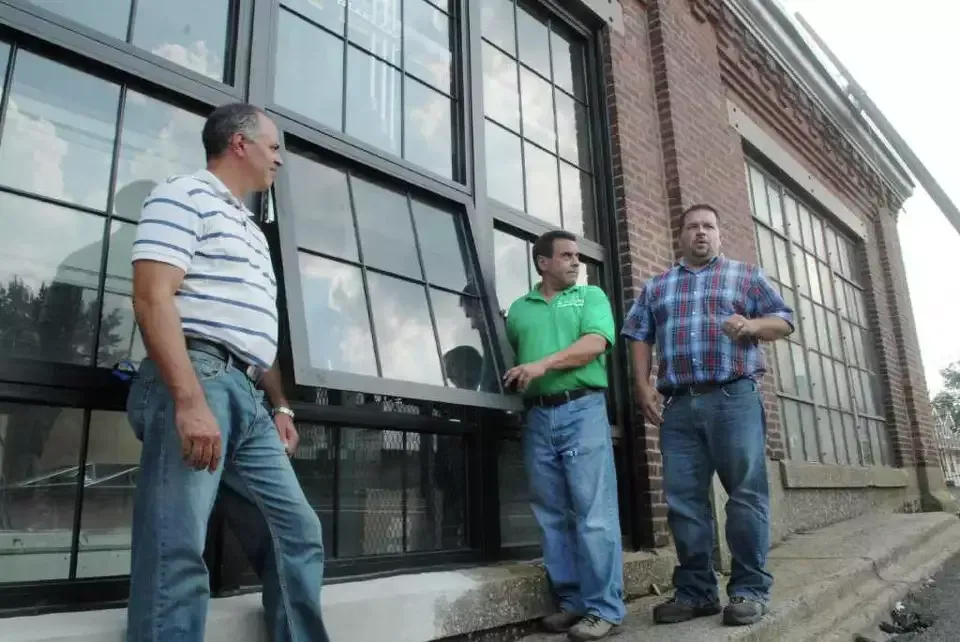
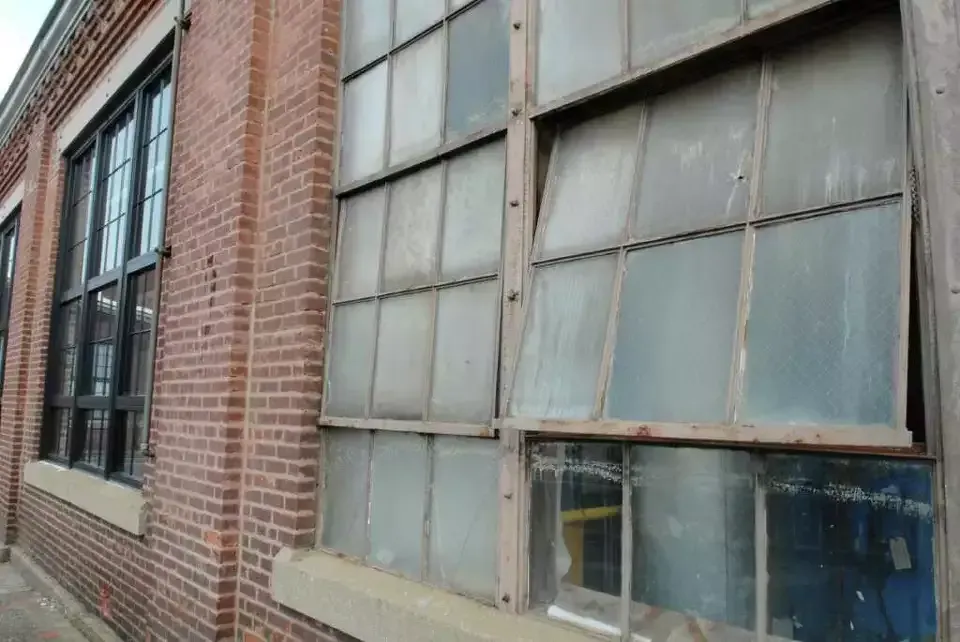
The images below highlight blast-resistant window systems referenced in a Times Union article on aid programs,
, illustrating how older or vulnerable windows have been replaced with reinforced designs built to withstand extreme pressure and debris. These upgraded systems are engineered to reduce the risk of injury from shattered glass and structural failure, two of the most dangerous effects during an explosion.
As noted in the article, Lee emphasized the importance of these replacements as a critical safety measure, pointing out that improving window strength can significantly limit damage and better protect building occupants in high-risk scenarios. The images serve as a visual example of how these protective upgrades are applied in real-world settings.
Meeting Specifications That Demand Precision
You face performance requirements expressed in pounds per square inch overpressure, response time in milliseconds, and failure modes defined by federal testing protocols. Thermo Expert works with systems tested to these standards, matching frame depth, glazing thickness, and anchorage details to the threat level specified in your security assessment. Installation involves setting frames in prepared openings, anchoring with through-bolts or embedded plates, and sealing joints with materials that maintain elasticity under dynamic loading.
After installation, the windows look similar to conventional commercial units from a distance, but you notice the added weight, the absence of operable sash in most configurations, and the robust hardware that locks the glazing into the frame. The system remains transparent and allows daylight into secure spaces while providing a barrier that absorbs energy and protects occupants during the critical seconds following a detonation. Thermo Expert verifies that each installation meets the documentation and inspection requirements tied to your project's security certification.
The process includes coordination with structural engineers, delivery under controlled conditions to prevent damage to pre-assembled units, and phased installation that allows security perimeters to remain intact. What is not included is the structural reinforcement of surrounding walls, which must be completed by others before window installation begins, or the design and testing of custom configurations outside standard product lines.
Understanding Blast Window Performance and Installation
Blast resistant installations raise questions about engineering, material behavior, and site-specific challenges. The answers below clarify what goes into these specialized systems.
What distinguishes blast resistant glazing from bullet resistant glass?
Blast glazing resists dynamic pressure waves that strike the entire surface nearly simultaneously, while bullet resistant glass is designed to stop projectiles at a single point of impact. The layering, thickness, and interlayer materials differ based on the type of threat and the energy involved.
How do anchorage methods differ from standard window installation?
Blast resistant frames are anchored with through-bolts, embedded plates, or welded connections capable of transferring thousands of pounds of force into the surrounding structure. Standard perimeter fasteners used in commercial glazing are inadequate for these loads.
When is structural reinforcement required around blast resistant openings?
Reinforcement is required when existing walls cannot resist the shear and moment forces transferred from the window frame during a blast event. In Pittsfield, older masonry buildings often need steel channels or concrete infill to meet current security standards.
Why do most blast resistant windows lack operable sash?
Operable hardware introduces weak points and complexity that compromise the ability of the frame and glazing to function as a unified energy-absorbing system. Fixed glazing allows tighter tolerances and more predictable performance under explosive loading.
How are these systems tested and certified?
Testing occurs at specialized facilities using shock tubes or live explosives to replicate specific threat profiles. Systems are rated based on peak overpressure, impulse duration, and the degree of glazing retention after the event, with results documented in compliance with Department of Defense or GSA standards.
Thermo Expert manages blast resistant window installation for secure facilities throughout Pittsfield, working within the regulatory and engineering frameworks that govern this specialized work. Reach out to discuss your project's security requirements and coordinate pre-installation planning.